Choosing the right heating system matters more in cold climates than almost anywhere else. Long winters, frequent weather swings, and sustained low temperature conditions place real demands on residential HVAC systems. Homeowners often ask us about comparisons between heat pumps and furnaces, as both can deliver reliable heat but operate very differently. Understanding how each system works, how it interacts with your duct layout, and how it handles cold weather helps you make a confident decision for your home’s comfort.
How Heating Systems Work in Cold Climates
Before comparing systems, it helps to understand how each heating system produces and distributes heat throughout a home.
How a Furnace Produces Heat
A furnace generates heat by burning fuel or by using electricity to warm internal components. That heat is transferred to the air, which moves through your ductwork and into each room. A thermostat monitors room temperature and signals the furnace to cycle on and off as needed.
Furnaces are common in colder climates because they can produce high-output heat even during extreme cold. Gas models, in particular, perform consistently at low outdoor temperatures.
How a Heat Pump Produces Heat
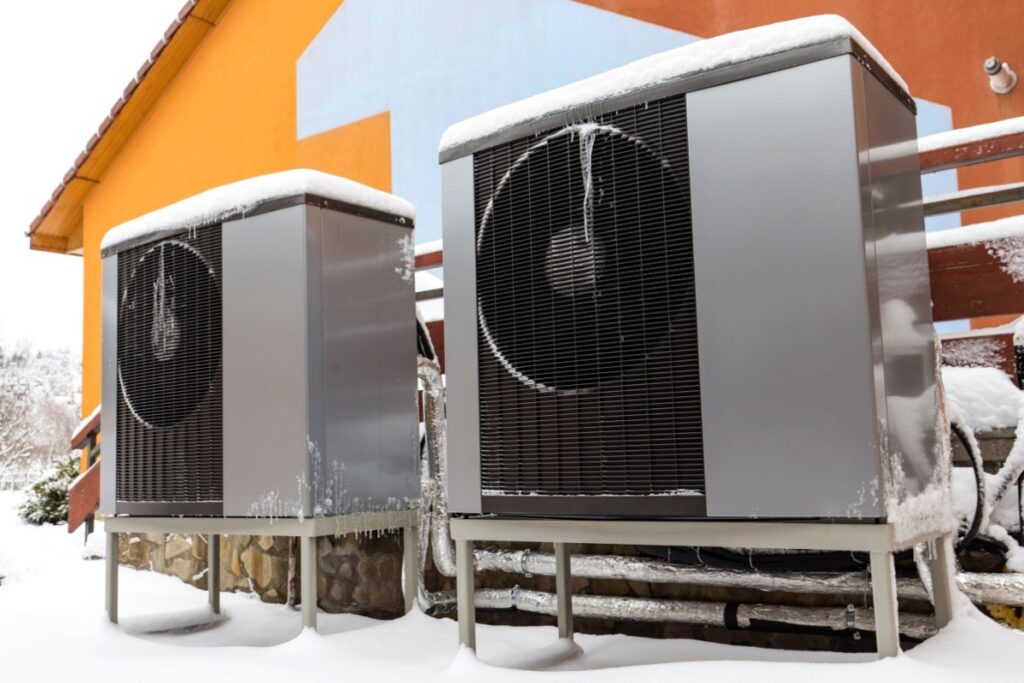
A heat pump works differently: instead of creating heat, it transfers heat from outside air into your home. Even in cold weather, outdoor air contains usable energy. The system extracts that energy and delivers it indoors through an air handler connected to your duct system.
Because heat pumps rely on electricity rather than fuel combustion, they operate more like advanced air conditioners running in reverse.
Heat Pump vs Furnace Performance in Cold Weather
Cold-weather performance is one of the biggest deciding factors when comparing heat pump vs. furnace options.
Furnace Performance in Low Temperatures
Furnaces shine when the weather turns harsh. They maintain stable airflow and heat output regardless of ice, snow, or freezing wind. A gas furnace does not lose heating capacity as outdoor temperature drops, making it a strong choice for areas with long periods below freezing.
Furnaces hold several key advantages in bitter weather conditions, including:
- Strong heat output during extreme cold
- Compatibility with existing duct systems
- Proven reliability in basements and crawl space installations
Heat Pump Performance in Low Temperatures
Modern cold-climate heat pumps perform far better than older models, but performance still depends on outdoor conditions. As the temperature drops, the system must work harder to move heat, increasing electricity usage. Heat pumps also rely on defrost cycles to prevent ice buildup on the outdoor unit, which can temporarily affect airflow and efficiency.
Efficiency, Energy Use, and Operating Costs
Energy efficiency plays a major role in long-term comfort and operating costs.
Comparing Energy Consumption
Furnaces consume gas or use electricity to generate heat. Gas systems often deliver lower operating costs in cold climates, while electric furnaces can be more expensive to run during prolonged cold spells.
Heat pumps use electricity exclusively and move heat rather than generate it. This makes them highly efficient during moderate temperatures. In colder regions, energy use increases as the compressor works harder.
Efficiency Ratings and Real-World Performance
Efficiency ratings matter, but real-world performance depends on climate, duct design, airflow balance, and insulation. Poor ductwork installation can lead to uneven heat, higher energy bills, and reduced indoor air quality.
A professional evaluation helps match system efficiency to your home layout and local weather patterns.
Installation Considerations for Cold Climate Homes
Proper installation affects comfort, safety, and long-term system life.
Furnace Installation Factors
Furnace installs often involve gas piping, venting, carbon monitoring, and electrical connections. Units are typically placed in basements or mechanical rooms, with ductwork distributing heated air throughout the home.
Key installation details include:
- Gas line and fuel compatibility
- Electrical wiring and control wire connections
- Safe venting to manage carbon byproducts
- Integration with water heating systems when applicable
Heat Pump Installation Factors
Heat pumps require outdoor and indoor components connected by refrigerant lines, often made of copper. The system also needs reliable electrical capacity to support compressor operation and defrost cycles.
Installation considerations for heat pumps include:
- Outdoor unit placement to manage ice and snow
- Refrigerant piping and leak prevention
- Electrical upgrades, if required
- Proper airflow through existing duct systems
Comfort, Indoor Air Quality, and Humidity Control
Comfort goes beyond warmth. It includes air quality, humidity balance, and consistent temperature control.
Furnace Comfort Characteristics
Furnaces deliver quick, powerful heat to maintain a stable room temperature during cold snaps. However, forced air can reduce humidity levels, which may affect indoor air quality without supplemental humidification.
Heat Pump Comfort Characteristics
Heat pumps produce gentler heat and often maintain more consistent humidity levels. When paired with a smart thermostat, homeowners gain precise control over comfort settings and energy use.
Both systems benefit from clean ductwork, balanced airflow, and regular maintenance to prevent dust buildup and improve air quality.
Choosing the Right System for Your Home
There is no universal answer as to which system is best for cold-climate homes. Factors like local climate patterns, fuel availability, electricity rates, duct condition, and comfort goals all influence the decision.
Some homeowners prefer the steady power of a furnace. Others value the efficiency and versatility of a heat pump that also supports cooling. In some cases, hybrid systems combine both technologies for balanced performance, though that approach requires careful planning and electrical coordination.
Talk With Medina Heating and Air Conditioning About Your Heating Options
Choosing the right heating system is a long-term investment in comfort, safety, and energy performance. At Medina Heating and Air Conditioning, we take the time to evaluate your home, inspect your duct layout, and discuss how local weather affects system performance. Our team handles all HVAC installation projects with attention to airflow, electrical requirements, and long-term reliability.
If you are weighing heat pump or furnace options for your cold-climate home, reach out to us today. We will walk you through the details, answer your questions clearly, and help you choose a heating solution that fits your home and your goals.